
 Bill Jackson
In today’s rapidly evolving construction industry, groundbreaking innovations are revolutionizing the way we build. From advanced robotics and 3D printing to sustainable materials and smart building technology compression test on universal testing machine, these advancements are reshaping the future of construction.
By enhancing efficiency and safety, these innovations are paving the way for more sustainable, cost-effective, and technologically advanced construction practices.
Join us as we explore the cutting-edge technologies that are driving the construction industry forward into a new era of possibility.
Advanced Robotics in Construction
The implementation of advanced robotics in construction is revolutionizing traditional building practices. These sophisticated machines are introducing a new era of efficiency, speed, and precision to the construction industry.
By incorporating robotics into various construction tasks dynamic universal testing machine, such as bricklaying, welding, and demolition, companies are experiencing significant reductions in project timelines and costs. This technological advancement not only enhances productivity but also improves workplace safety by handling hazardous and repetitive tasks.
Embracing robotics in construction allows for greater creativity in architectural design and the construction of complex structures that were once deemed challenging. As these robotic systems continue to evolve, the construction sector is witnessing a remarkable transformation towards more streamlined and sustainable building processes.
3D Printing for Building Structures
With the advancement of technology, the utilization of 3D printing in building structures is revolutionizing the construction industry. This innovative approach to construction offers unparalleled design freedom, allowing architects and engineers to create intricate and unique structures that were previously challenging to build using traditional methods.
3D printing also promotes sustainability by minimizing material waste and reducing construction time. Companies like ICON and Winsun are already pioneering the use of 3D printing in construction, demonstrating its potential to construct affordable housing and even entire buildings rapidly.
As this technology continues to evolve, we can expect to see more widespread adoption of 3D printing in construction, shaping the future of the industry with limitless possibilities for architectural creativity.
Sustainable Materials Innovation
Advancing sustainable materials is revolutionizing the construction industry by promoting eco-friendly building practices. From recycled plastics and reclaimed wood to innovative materials like bamboo and hempcrete, the shift towards sustainable construction materials is gaining momentum.
These materials not only reduce the environmental impact of construction but also offer benefits such as improved energy efficiency, durability, and lower maintenance costs. Architects and builders are increasingly incorporating these sustainable materials into their projects, responding to the growing demand for environmentally conscious construction practices.

Smart Buildings Technology
Harnessing the power of interconnected devices and data analytics, smart buildings technology is revolutionizing the way structures operate and interact with their surroundings. By integrating sensors, IoT devices, and automation systems, smart buildings can optimize energy consumption, enhance security, and improve overall efficiency.
These buildings can adapt to environmental changes in real-time, adjusting lighting, heating, and cooling systems accordingly. Additionally, data-driven insights enable predictive maintenance, reducing downtime and extending the lifespan of building components.
Smart buildings offer occupants a more comfortable and personalized experience, with features like smart thermostats and automated lighting. As technology continues to advance, the potential for smart buildings to transform the future of construction and urban living is vast.
Enhancing Efficiency and Safety
The integration of advanced monitoring systems in smart buildings enables a quantifiable enhancement in operational efficiency and safety measures within construction projects. Real-time data collection and analysis allow for proactive identification of potential hazards, leading to a reduction in accidents and improved overall project timelines.
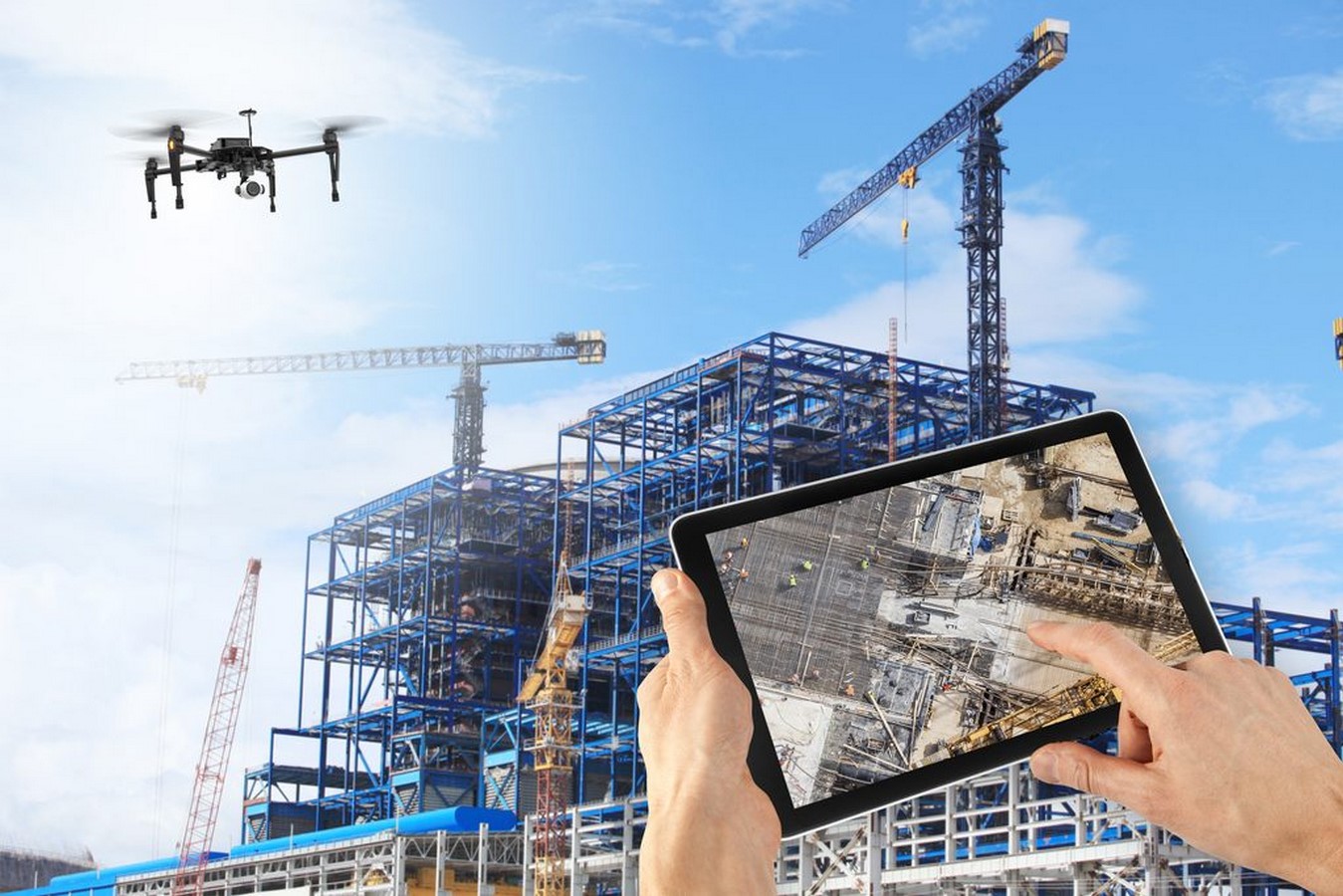
Technologies such as Building Information Modeling (BIM) streamline communication between stakeholders, ensuring that all parties are on the same page regarding safety protocols and project progress. Additionally, the implementation of wearable technology and drones provides on-site workers with immediate access to critical information and the ability to assess risky situations remotely.
Conclusion
In conclusion, the future of construction is being shaped by advanced robotics, 3D printing, sustainable materials, smart buildings technology, and improved efficiency and safety measures. These innovations are revolutionizing the way buildings are designed, constructed, and maintained.
By incorporating these technologies into construction practices, the industry is moving towards a more sustainable, efficient, and safe future. It is essential for construction companies to stay updated with these advancements to remain competitive in the ever-evolving construction industry.