
 Bill Jackson
Transitioning your cat to a new food in Malaysia requires a thoughtful approach to ensure your furry companion’s health and well-being. By understanding your cat’s dietary needs pet food shop near me, choosing the right new food, and gradually introducing it, you can navigate this process smoothly.
Monitoring your cat’s response and addressing any transition issues that arise will help you successfully make the switch to a new diet, providing your pet with optimal nutrition and satisfaction.
Understanding Your Cat’s Dietary Needs
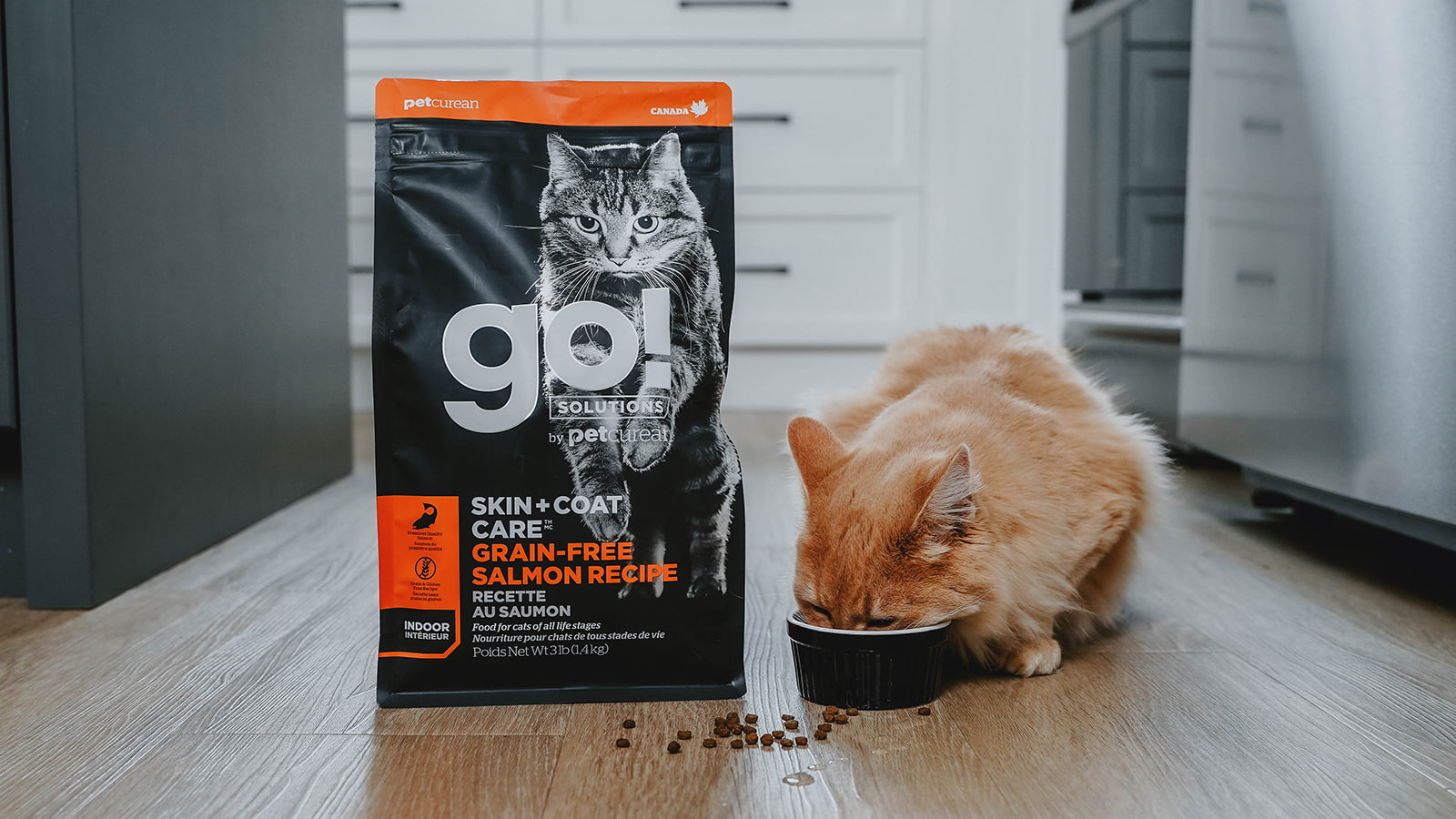
Understanding a cat’s dietary requirements is essential for maintaining its health and well-being. Cats are obligate carnivores, meaning their diets should primarily consist of animal-based proteins. Protein is crucial for cats as it provides essential amino acids necessary for bodily functions like muscle maintenance and immune system support. In addition to protein https://nourish.petuniverse.com/, cats require specific nutrients like taurine, arachidonic acid, and vitamin A, which are commonly found in animal tissues.
Water is another vital component of a cat’s diet, as they have a low thirst drive compared to other animals. Therefore, incorporating wet food into their diet can help ensure they stay hydrated. Cats also need certain vitamins and minerals like calcium, phosphorus, and potassium to maintain overall health.
Understanding your cat’s dietary needs involves selecting high-quality cat food that meets these nutritional requirements. It’s essential to avoid feeding them human food, as some items can be toxic to cats. Consulting with a veterinarian can help tailor a diet plan specific to your cat’s individual needs and preferences. By understanding and meeting your cat’s dietary requirements, you can help them lead a healthy and fulfilling life.
Choosing the Right New Food
How can you ensure that the new food you choose for your cat in Malaysia meets their nutritional requirements?
When selecting a new cat food, it is crucial to look for options that are specifically formulated to meet the nutritional needs of cats. Start by checking the labels for essential nutrients such as protein, taurine, vitamins, and minerals. Protein, sourced from high-quality meat, should be a primary ingredient as cats are obligate carnivores. Taurine is vital for heart and eye health. Additionally, ensure that the food provides a balanced mix of vitamins and minerals to support your cat’s overall well-being.
Consider your cat’s age, activity level, and any specific health concerns when choosing a new food. Kittens, adult cats, and seniors have varying nutritional requirements, so opt for a formula that aligns with your cat’s life stage. If your cat has allergies or sensitivities, select a hypoallergenic or limited ingredient diet. Always consult with your veterinarian for recommendations tailored to your cat’s individual needs. By prioritizing your cat’s nutritional requirements, you can make a confident choice when transitioning to a new food.
Gradually Introducing the New Food
When transitioning your cat to a new food in Malaysia, it is imperative to gradually introduce the new diet to prevent digestive upsets and ensure a smooth adjustment period. Sudden changes in a cat’s diet can lead to gastrointestinal issues like vomiting or diarrhea, which can be distressing for both the cat and the owner.
To avoid this, start by mixing a small amount of the new food with the old food. Over the course of about a week, gradually increase the proportion of the new food while decreasing the old food. Monitor your cat’s response during this transition period, looking out for any signs of digestive discomfort. If your cat experiences any issues, slow down the transition process.
Monitoring Your Cat’s Response
What signs should you observe when monitoring your cat’s response to a new food during the transition period in Malaysia?
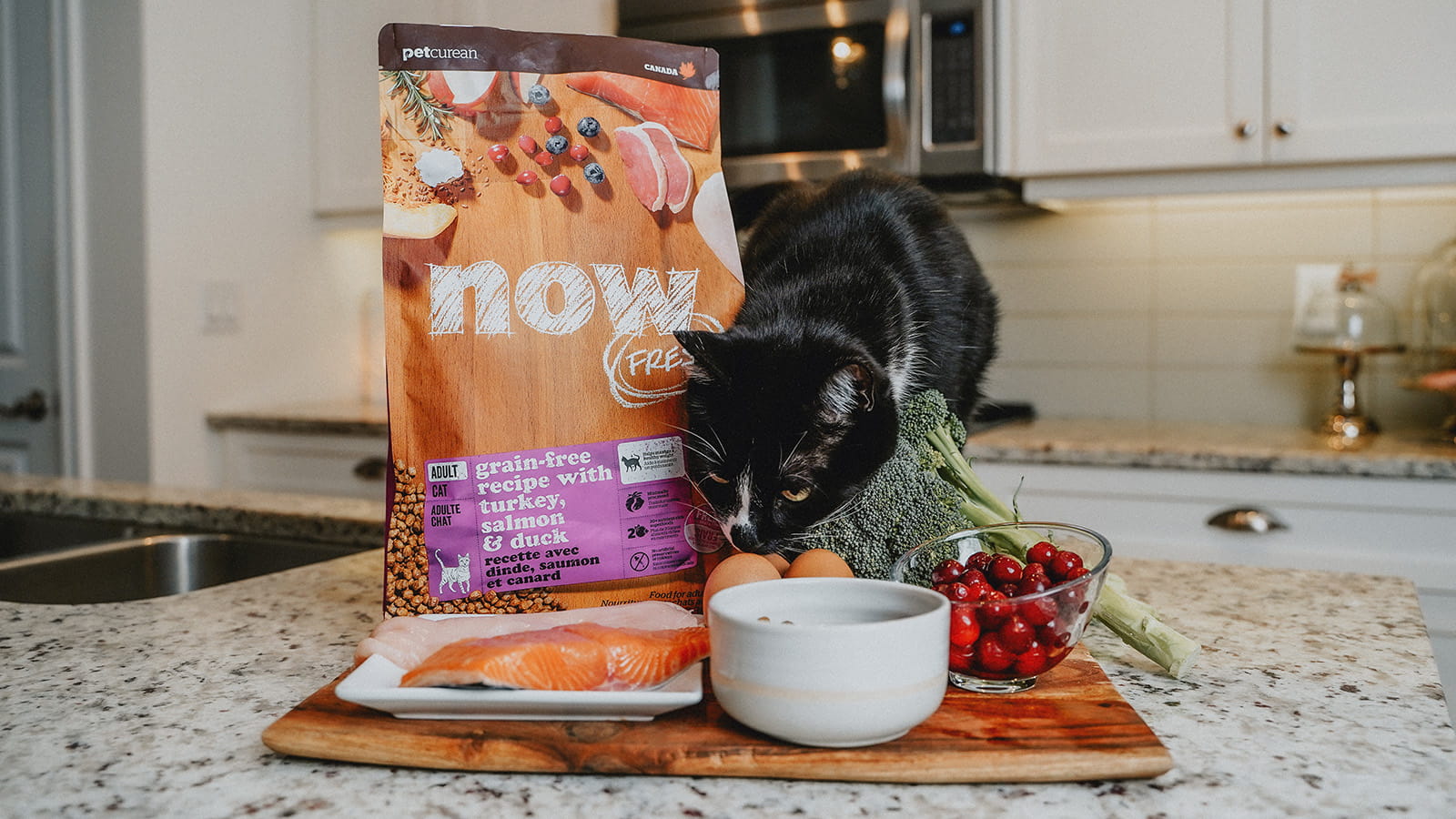
As you switch your cat’s diet, it’s crucial to be attentive to any changes in their behavior, appetite, and overall well-being. During this transition phase, keep an eye on your cat’s eating habits. A decreased interest in food could indicate that they are having trouble adjusting to the new diet. Conversely, an increased enthusiasm for mealtime might suggest that the new food is more appealing to them.
Additionally, monitor your cat’s stool consistency. Loose stools or diarrhea may signal that the new food is causing digestive upset. On the other hand, if your cat’s stools become firmer and more regular, it could indicate that they are adjusting well to the new diet.
Furthermore, observe your cat’s energy levels and coat condition. An improvement in energy and a shinier coat may indicate that the new food is providing them with essential nutrients. By carefully observing these signs, you can ensure a smooth transition for your feline companion.
Troubleshooting Common Transition Issues
During the transition period to a new food for your cat in Malaysia, addressing common issues such as digestive upset is essential for a successful adjustment. It is normal for cats to experience some challenges when switching to a different diet.
One common issue is reluctance to eat the new food. To tackle this, try mixing small amounts of the new food with the old one, gradually increasing the ratio over a week or two. If your cat still refuses to eat, consult your veterinarian for advice.
Another issue could be digestive problems like diarrhea or vomiting. Slow down the transition process by going back to the previous food and then restart at a slower pace. Ensure your cat stays hydrated and seek veterinary help if the issues persist.
Some cats may also show signs of food allergies, such as itching or skin problems. If these occur, switch back to the original food and consult with your vet to determine the cause.
Conclusion
In conclusion, transitioning your cat to a new food in Malaysia requires understanding their dietary needs. It also involves choosing the right food, gradually introducing it, and monitoring their response. By following these steps and troubleshooting any common issues that may arise, you can ensure a smooth transition for your feline companion.
Remember to always consult with a veterinarian for guidance on your cat’s specific dietary requirements.